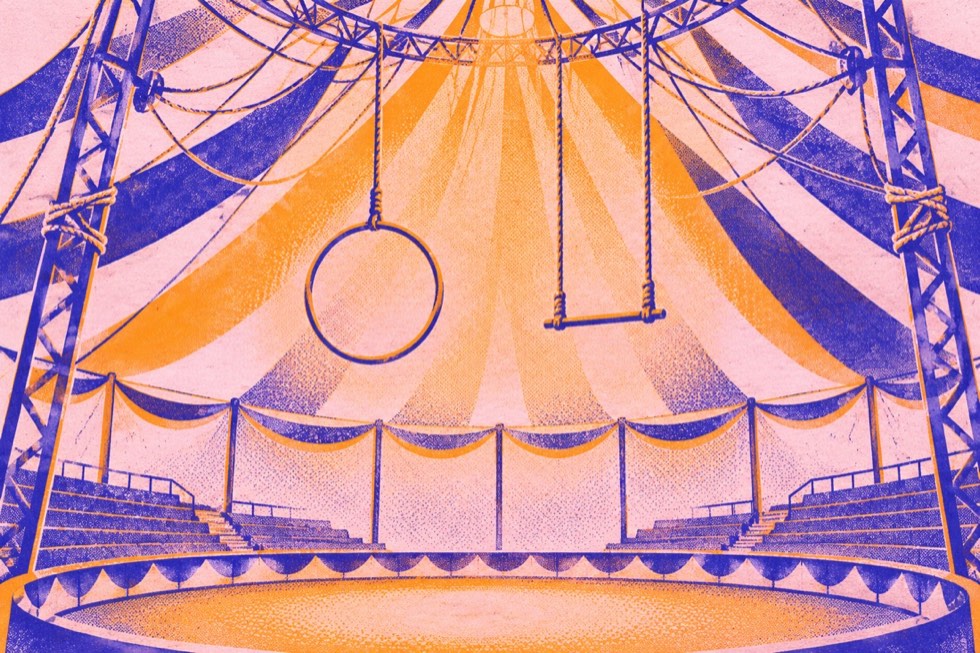
Circus
What Is Contemporary Circus? New Circus Explained
Acrobatics, aerial work and juggling used as a language for a whole piece, and how that differs from a ring show.
Read the guideIndependent guide to performing arts festivals
An interdisciplinary arts festival puts dance, new circus, installation art, performance and spoken word into the same few days. This guide explains each form, how such festivals are programmed, and why an old frame story still helps.
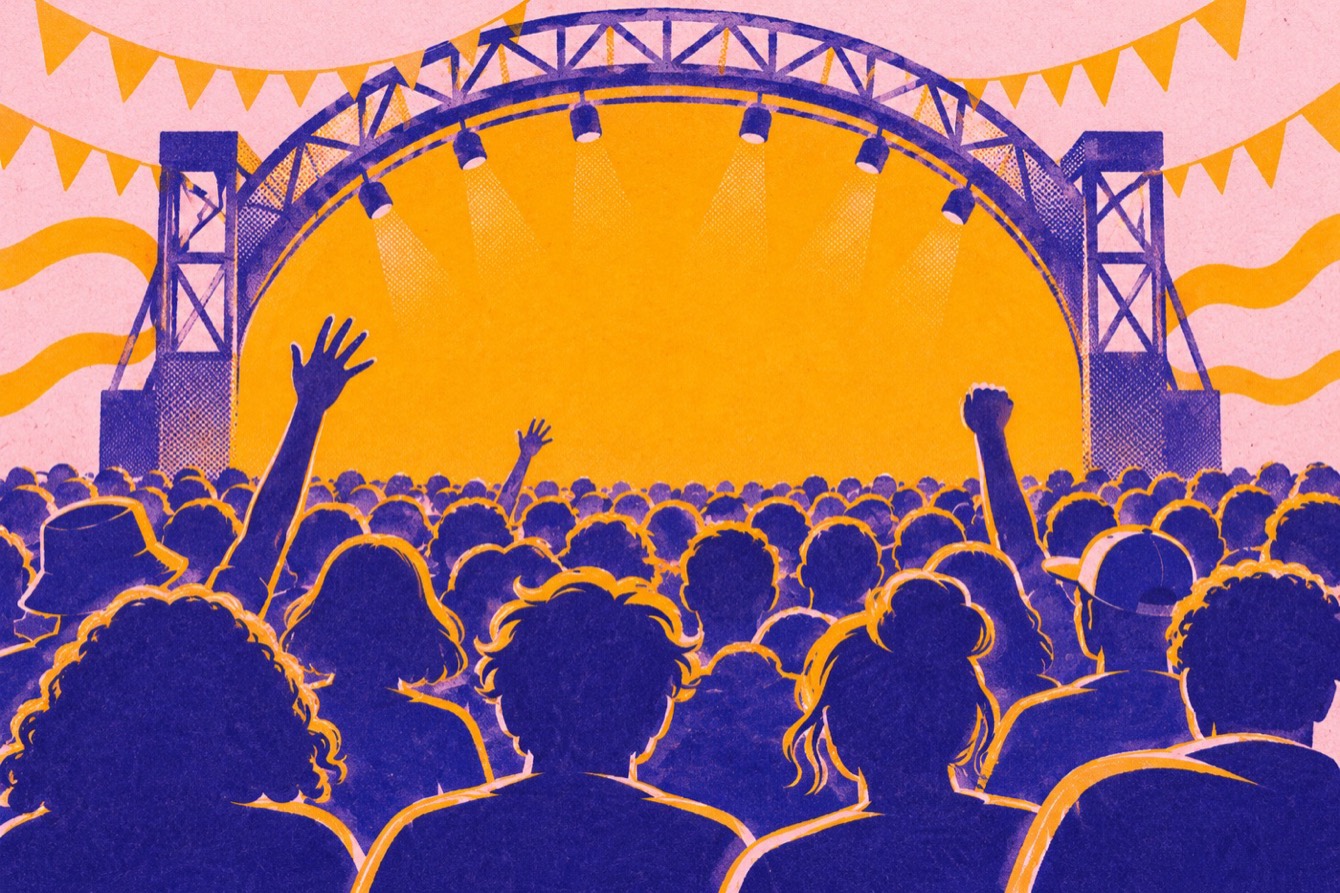
A performing arts festival gathers live work in one place over a short stretch of time. An interdisciplinary arts festival goes a step further: it does not keep dance, theatre, music and visual art in separate programmes, but lets them meet. One evening can include a circus piece, a choreographed walk through an installation and a reading under a tent.
Readers often ask how this differs from a multidisciplinary programme. The usual distinction is that multidisciplinary events present several art forms side by side, while interdisciplinary work lets the forms change each other inside a single piece. Festivals blur the line in practice, and many do both in one weekend.
Performing arts festivals across Europe and other regions follow this pattern in different ways, from city wide events to small three day gatherings. This site is an independent explainer: it does not sell tickets and it does not speak for any festival.
Thirty tiles, five forms. Scroll and watch the mixed grid sort itself, the way a running order turns many voices into a programme. Each tile carries one trait of its form.
Bodies, weight and time. Contemporary dance mixes techniques and asks open questions.
Acrobatics, aerial work and juggling serving one idea from start to finish.
Environments you enter, where space, light and sound are the material.
Live action rooted in visual art, often close to theatre and dance.
Spoken word, poetry and tale telling, from Boccaccio's frame to the festival stage.
Programmers invite pieces they have seen, open a call for proposals, or commission something new. Curators add an idea that links the choices.
Rhythm matters: loud then quiet, long then short, familiar then strange. Installations that stay open all day give visitors a reason to return.
Rigging, sound, seating, access and budget decide what can be shown where. Good programmes plan around these facts early.
Circus
Acrobatics, aerial work and juggling used as a language for a whole piece, and how that differs from a ring show.
Read the guide
Dance
Modern dance as a historical movement, contemporary dance as a broad living practice, and where lyrical fits.
Read the guide
Installation
Work you walk into: five recurring features, common types and tips for visiting.
Read the guide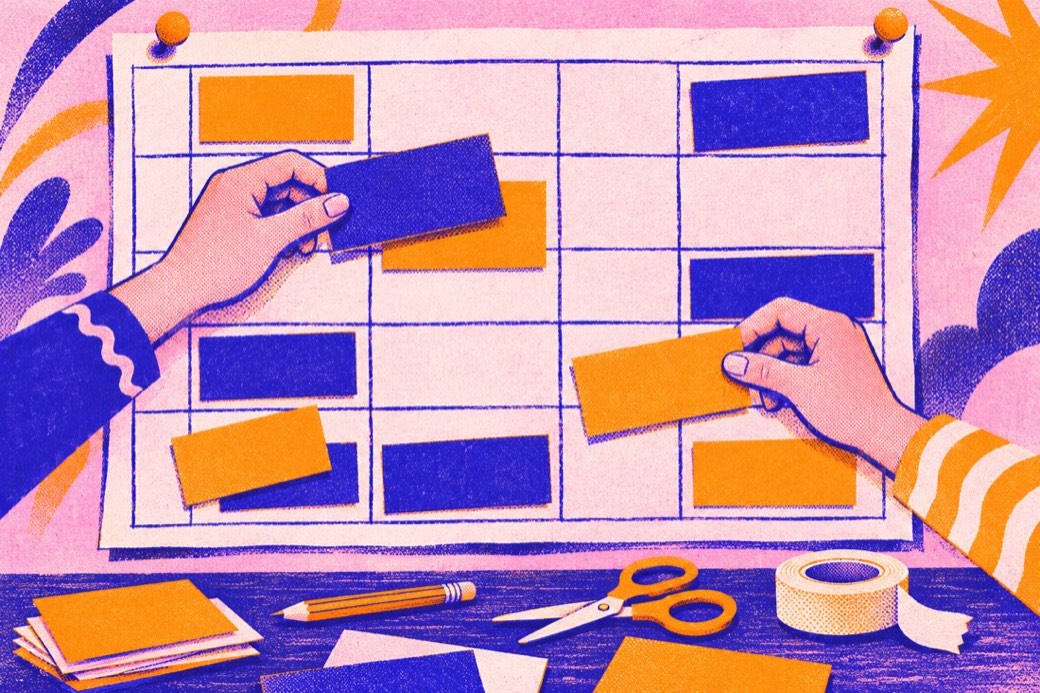
Programming
Curating versus programming, invitation, open call and commission, pacing and practical limits.
Read the guide
Performance
Performing arts as a category, performance art as a practice, and signs that help tell them apart.
Read the guide
Storytelling
Ten tellers, ten days, one hundred tales: how a frame narrative holds a programme together.
Read the guideStories as a frame
In the fourteenth century Giovanni Boccaccio wrote the Decameron: ten young people leave plague stricken Florence for a country villa and pass the time telling stories. The tales are different, but the situation holds them together.
That is also what a festival does. A shared place, a limited time, many voices and an audience that moves between pieces. Performers still borrow the device when they build a programme as a chain of short chapters.