Programming
Festival Programming: How Performing Arts Festivals Are Built
Programming a performing arts festival means choosing what is shown and also deciding how those choices sit together over a few days.
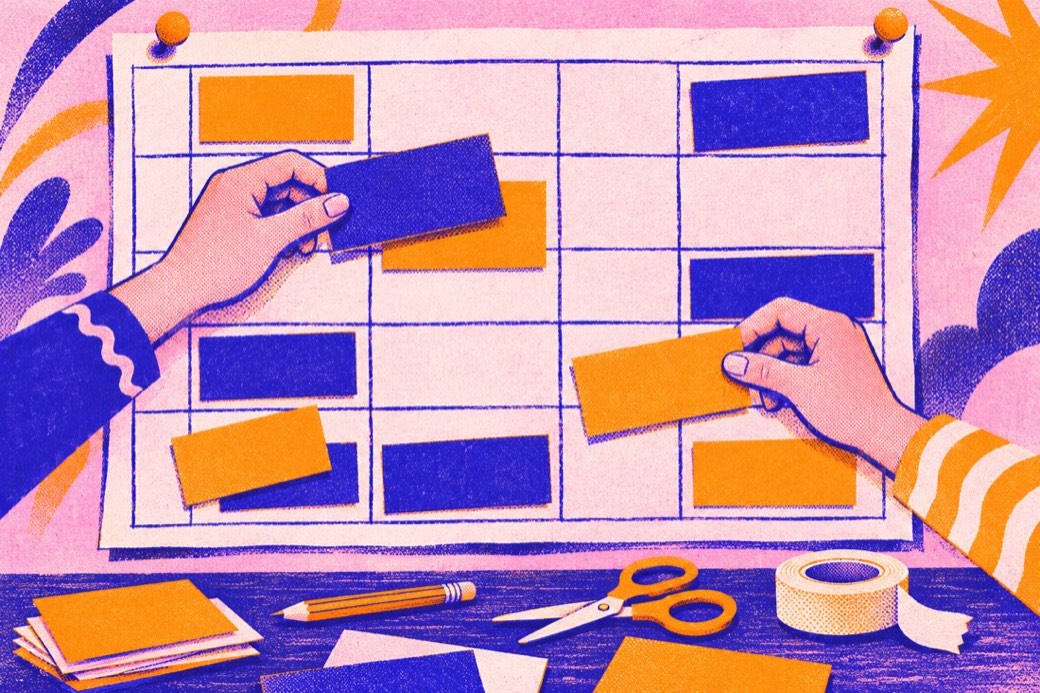
Programming and curating are not identical
Both words describe choosing work, and they overlap in practice. Roughly, programming is about assembling a schedule that works: which pieces, in which venues, at which times, for which audiences. Curating adds an authorial idea, a theme or an argument that connects the choices. A small festival may have one person doing both jobs. A large one may have an artistic director, programmers for different art forms and producers who handle the practical side. If you meet the phrase festival curator, expect an emphasis on the idea behind the selection.
Invitation, open call, commission
Festivals usually fill their programme through a mix of routes. How do artists get picked? Typically in one of these ways:
- Invitation. The programming team has seen a piece, on tour or in a showcase, and asks the company to come.
- Open call. Artists submit proposals or recordings by a deadline, and a panel selects from the submissions. Festivals publish the conditions for this route on their own websites.
- Commission. The festival pays for the creation of a new piece, sometimes with partners, and presents its premiere.
- Exchange and network. Festivals in a network share work or co-present it.
Fees, travel and accommodation differ widely from festival to festival, so artists read the terms of each call carefully.
Pacing a three day programme
A short festival is a composition in time. Programmers usually think about:
- Rhythm. A loud, physical piece followed by a quiet one gives the audience room to breathe.
- Mix of forms. Dance, circus, installation, performance and spoken word shown in one weekend let visitors cross over.
- Length and breaks. Pieces of different duration need changeovers, meals and rest.
- Entry points. Some work is easy to approach, some demands more. A good programme offers both.
- Surprise and return. An installation open all day can bring people back between shows.
Venues, technical needs and budget
Practical limits shape artistic choices. A piece with heavy rigging needs a high ceiling and a safe fixing point. A sound installation needs a quiet room. A site specific work needs permissions. Technical riders, load in times, seating capacity, accessibility and safety rules all affect what can be shown where. Budgets cover fees, technical staff, insurance, marketing and often a modest reserve for the unexpected. Programmers who plan around these facts build a more reliable festival than those who plan the dream list first.
Reading a festival programme
When you read a programme, look for the logic. Are pieces grouped by form, by theme or by venue? Is there a through line? Which events are marked as free, which need booking, and which are one time only? Check access information and content notes before you plan your days. And try one thing outside your usual taste: festival programmers build contrast on purpose, and the unfamiliar piece next to a familiar one is often what the mixture was designed for. For a storytelling model of such a mixture, read about the frame story of the Decameron, and for a form that often anchors programmes, see installation art.