Installation
What Is Installation Art? Meaning, Features and Examples
Installation art is work made as an environment: you enter it, move through it and complete it with your own presence.
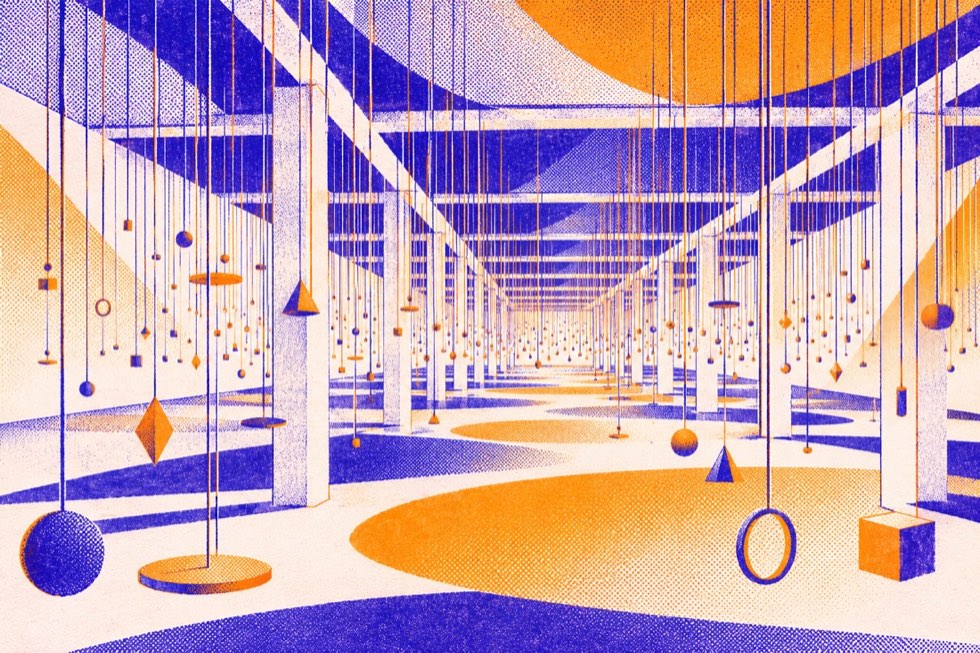
What installation art means
Installation art describes artworks that transform a space instead of hanging on a wall or standing on a plinth. Major museums describe it as work that is often designed for a specific place or a limited time and that involves the viewer in the experience. The materials can be anything: objects, light, sound, video, text, plants, furniture, fabric or the building itself.
Five features that recur
These are the usual characteristics of installation art, offered as guideposts rather than rules.
- The space is part of the work. A piece may only make sense in the room it was built for.
- You are inside it. The viewer moves, so each person sees a different sequence.
- Mixed materials. Sculpture, sound, light and film often share the same piece.
- Time matters. Some installations change during the day, wear out, or exist only for the length of an event.
- Participation, large or small. Sometimes it is only your walking, sometimes you are asked to touch, speak or add something.
Types you may meet
People sort installation art in many ways. A plain way for visitors:
- Site specific work, made for a particular building or landscape.
- Immersive or total environments that cover walls, floor and ceiling.
- Light and sound installations, where the main material is not an object.
- Interactive installation art, where sensors, switches or visitors' actions change what happens.
- Documentary or archive based installations built from found materials and testimony.
Where installation meets performance
Installation and live performance meet in several ways. A performer may inhabit an installation for hours. A dance piece may travel through rooms prepared by a visual artist. An installation may be switched on at set times like a show. Festivals with a mixed programme use this overlap on purpose: a lobby or courtyard becomes a work in itself, and visitors arrive at the performances already in the mood of the festival. The purpose of installation art is often just this, to shift attention from looking at an object to being in a situation.
Visiting an installation
A few practical suggestions:
- Take your time. Many works only open up after a few minutes of standing still.
- Walk the whole space, then walk it again in the other direction.
- Read the wall text after your first impression, not before.
- Check for access notes, seating, sound levels and content notes, since some works are loud, dark or intense.
- Respect the rules about touching and photography that apply to each piece.
Installation work often shares a programme with live forms. For the planning side, see how festivals are programmed, and for the live neighbours read about performance art and theatre.